


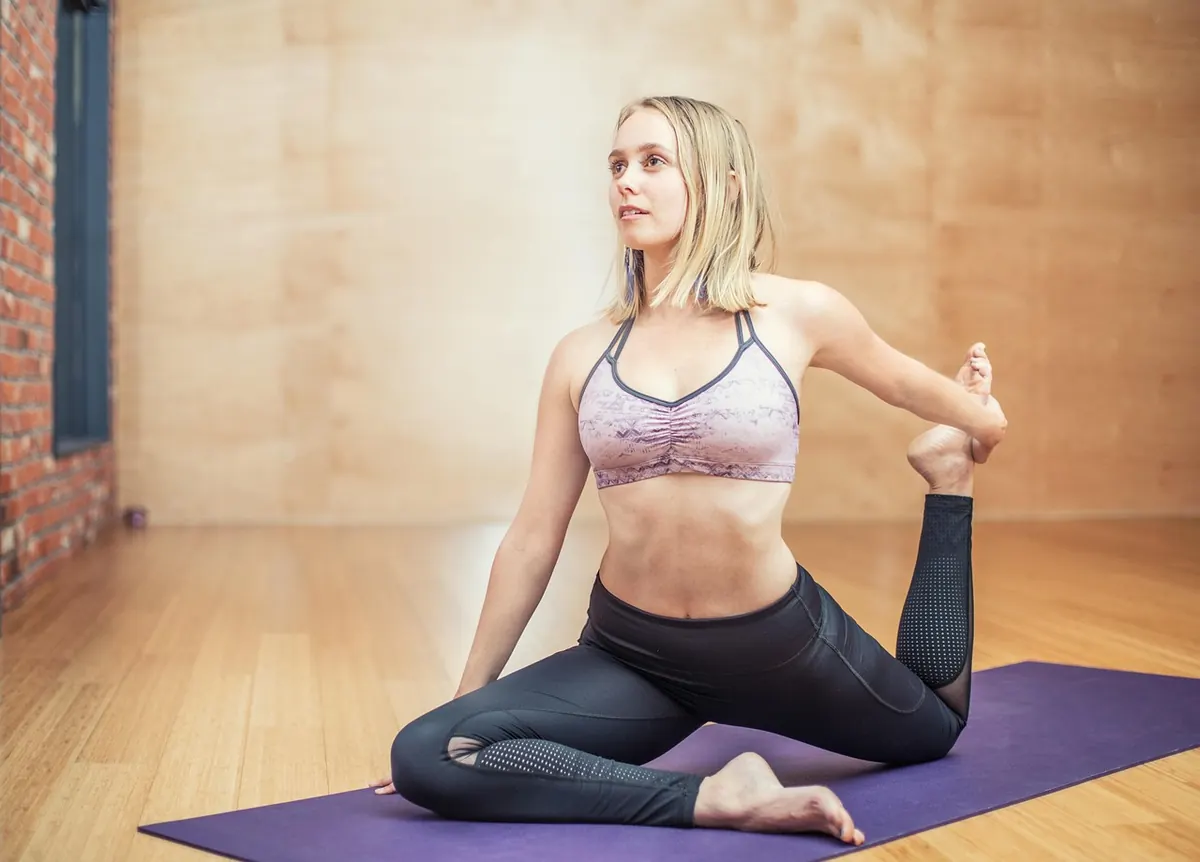


Winter tests a routine more than any other season. The sun clocks out before dinner, the pavement turns slick, and the couch starts making a very convincing argument. But the cold months don't have to be a four-month pause between fall and spring. Some of the most satisfying training of the year happens when the air is sharp and the parks are empty, and the days you stay inside can be just as productive with a patch of living-room floor and twenty minutes. The goal isn't to match your summer volume. It's to keep moving enough that March doesn't feel like starting over.
Layer Like You Mean It
Cold-weather workouts usually go wrong for one of two reasons: you dress for standing still and overheat halfway through, or you underdress and spend the first mile shivering. The fix is a three-part system that you adjust as you go.
- Base layer: merino wool or a synthetic knit that moves sweat away from your skin. Cotton is the one fabric to leave in the drawer; it soaks up moisture and holds it against you.
- Mid layer: fleece or a light synthetic puffy for insulation. This is the piece you add or shed depending on temperature and effort.
- Shell: a wind- and water-resistant jacket that still breathes. It blocks the wind that makes 28°F feel like 12°F, and you can unzip it once you warm up.
Then handle the edges: hands, feet, head, neck. Mittens beat gloves on genuinely cold days because your fingers share heat. Wool socks work best when they fit snugly rather than thickly, since a cramped shoe cuts circulation. A hat or headband and a neck gaiter are worth more than an extra shirt.
The old guideline still holds: dress as if it's 15 to 20 degrees warmer than the thermometer reads. You should feel slightly cool when you step outside. If you're comfortable standing on the porch, you'll be miserable ten minutes into a walk.
Outdoor Options That Don't Need Snow
You don't need a mountain, fresh powder, or expensive gear to train outside in December and January. Plenty of solid options are available in an ordinary neighborhood:
- A brisk 30-minute walk, or the same walk with a loaded backpack for extra resistance.
- Hill repeats on a park slope or a sledding hill — walk or jog up, walk down, repeat six to ten times.
- Stair laps at a stadium, parking garage, or your own apartment stairwell.
- Snow shoveling treated as a workout: bend at the knees, push rather than twist, and take breaks.
- Winter cycling with studded tires, or fat biking on packed trails if you have access.
- Snowshoeing or cross-country skiing when conditions allow; both are gentle on the joints and surprisingly demanding.
Shorter sessions work better in the cold. A 25-minute walk you finish beats a 60-minute plan you abandon. Warm up indoors for a few minutes before you head out, and pay attention to ice — short, flat steps on slick surfaces, and traction devices on your shoes if your route is often frozen.
Indoor Workouts With Almost No Equipment
When the roads are bad or the wind is punishing, your living room is a legitimate training space. Bodyweight circuits cover nearly everything: squats, split squats, push-ups (on your knees or against a counter if needed), hip bridges, planks, mountain climbers, and step-ups on a sturdy chair or bottom stair.
A simple format: pick four movements, work for 40 seconds, rest for 20, and repeat the circuit four times. That's roughly 20 minutes, warm-up included. Add a resistance band and you can train your back and shoulders properly — rows, band pull-aparts, overhead presses. A jump rope is excellent if you have floor space and forgiving neighbors; if not, march in place, do step touches, or shadow-box.
Don't overlook ordinary movement. Carrying laundry up and down stairs, vacuuming with intent, or a ten-minute mobility flow before bed all count toward a day that isn't spent sitting. Indoor sessions also stack well: five minutes of mobility in the morning, fifteen minutes of strength at lunch, a short walk after dinner.
Motivation When the Days Are Short
The hardest part of winter fitness is rarely the workout. It's the ten minutes before it. A few things help more than willpower:
- Anchor to a fixed time. A standing appointment at 7 a.m. or right after work beats "sometime today."
- Get light early. Step outside or sit near a bright window within an hour of waking when you can. It helps your body clock stay on schedule.
- Use the ten-minute rule. Commit to ten minutes only. You can stop after that if you still want to — most days you won't.
- Make it social. A standing walk with a neighbor, or a phone call you only take while walking, turns exercise into something you'd feel bad skipping.
- Track it visibly. A calendar with an X for every session is oddly powerful by week three.
- Remove friction the night before. Clothes on a chair, shoes by the door, water bottle filled.
The workout you actually do in February is worth more than the perfect plan you keep postponing until April.
Cold-Weather Safety Basics
Warm up longer than you would in summer — eight to ten minutes of easy movement, ideally indoors. Hydrate, because cold air is dry and you still sweat under layers. Change out of damp clothing as soon as you get home rather than sitting in it.
Know the warning signs that mean go inside now: numb, pale, or waxy-looking skin (frostbite) and uncontrollable shivering, confusion, or slurred speech (hypothermia). Neither is a situation to push through. If you have a heart or lung condition, or you're returning to hard training after a long break, check with a healthcare professional before exercising in serious cold.
A Simple Winter Week
- Monday: 20-minute indoor circuit.
- Tuesday: 30-minute brisk walk outdoors.
- Wednesday: Rest or 10 minutes of mobility.
- Thursday: Stairs or hill repeats, 20 minutes.
- Friday: Bands and core, 20 minutes.
- Saturday: Longer outdoor session — a hike, snowshoe, or bike ride.
- Sunday: Easy walk and stretching.
Adjust freely. Three or four sessions a week is a successful winter for most people; the structure matters less than the repetition.
Make Winter Your Consistency Season
Spring fitness is built in January and February, quietly, on days nobody feels like going out. So keep the bar low and the frequency high. Aim for movement most days, accept that some sessions will be short and unglamorous, and protect the habit rather than the numbers. If you're managing an injury or a chronic condition, get personalized guidance from a qualified professional before you ramp up. Otherwise, put your shoes where you can see them, pick your time, and go — the cold is only a problem if you let it be the excuse.
Photo: Carsten Busch / Pexels